

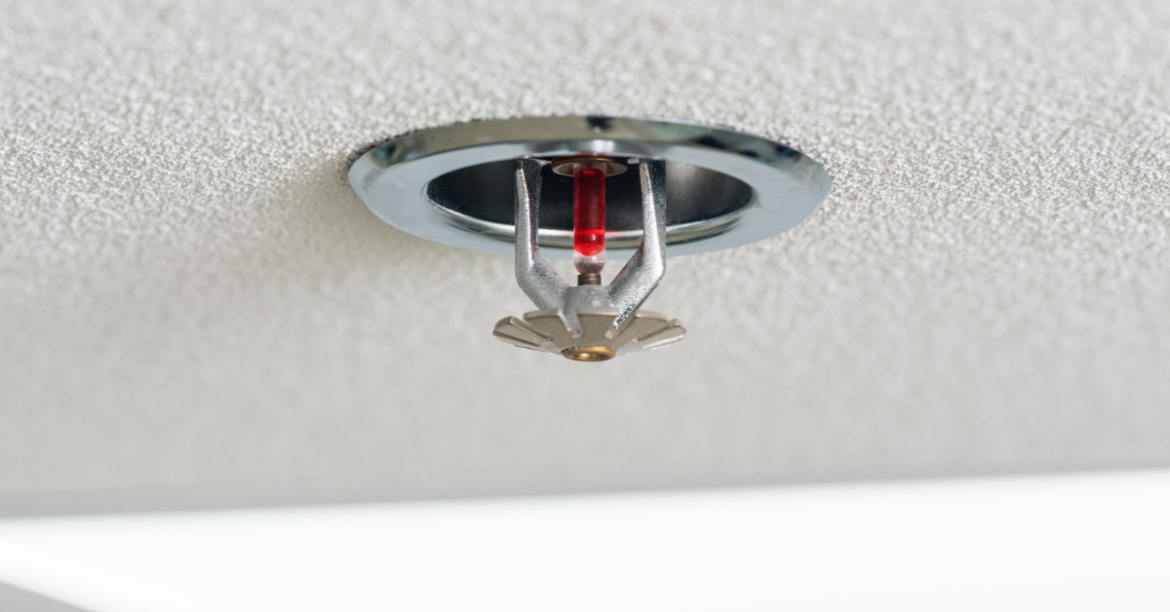
The clock is continuing to run for Florida high-rise condominium buildings subject to the fire sprinkler and engineered life safety system (“ELSS”) requirements of Section 718.112(2)(n), Florida Statutes, and NFPA 101, Life Safety Code, as incorporated into the Florida Fire Prevention Code (“FFPC”). For Florida high-rise condominium buildings subject to fire sprinkler and ELSS requirements, January 1, 2027 remains a critical deadline.
Section 718.112(2)(n), Florida Statutes, requires high-rise residential condominium buildings to comply with the applicable fire and life-safety requirements of the FFPC. For purposes of these requirements, Section 3.3.37.7 of the NFPA 101, Life Safety Code, Florida Edition defines a “high-rise building” as a “building where the floor of an occupiable story is greater than 75 ft (23 m) above the lowest level of fire department vehicle access.” Florida law requires qualifying buildings to be retrofitted with either a fire sprinkler system or an engineered life safety system, as specified in the FFPC. Importantly, an association that previously opted out of fire sprinkler retrofitting may still need to satisfy applicable ELSS requirements and should contact legal counsel for advice before assuming that a previous opt-out vote applies to all fire safety retrofitting obligations. The FFPC has established the applicable requirements for these retrofits, together with a phased compliance schedule. Under that schedule, earlier milestones required condominium associations to submit the applicable engineered design for review by January 1, 2025, and obtain the necessary permits by January 1, 2026. The remaining milestone is January 1, 2027, by which time installation of the required ELSS or automatic sprinkler system must be completed, as demonstrated by passing final inspections by the authority having jurisdiction (“AHJ”).
With the January 1, 2027, deadline quickly approaching, affected associations should take the opportunity now to confirm the status of their projects with their qualified professionals and local fire officials to determine whether any work remains necessary to achieve timely compliance.